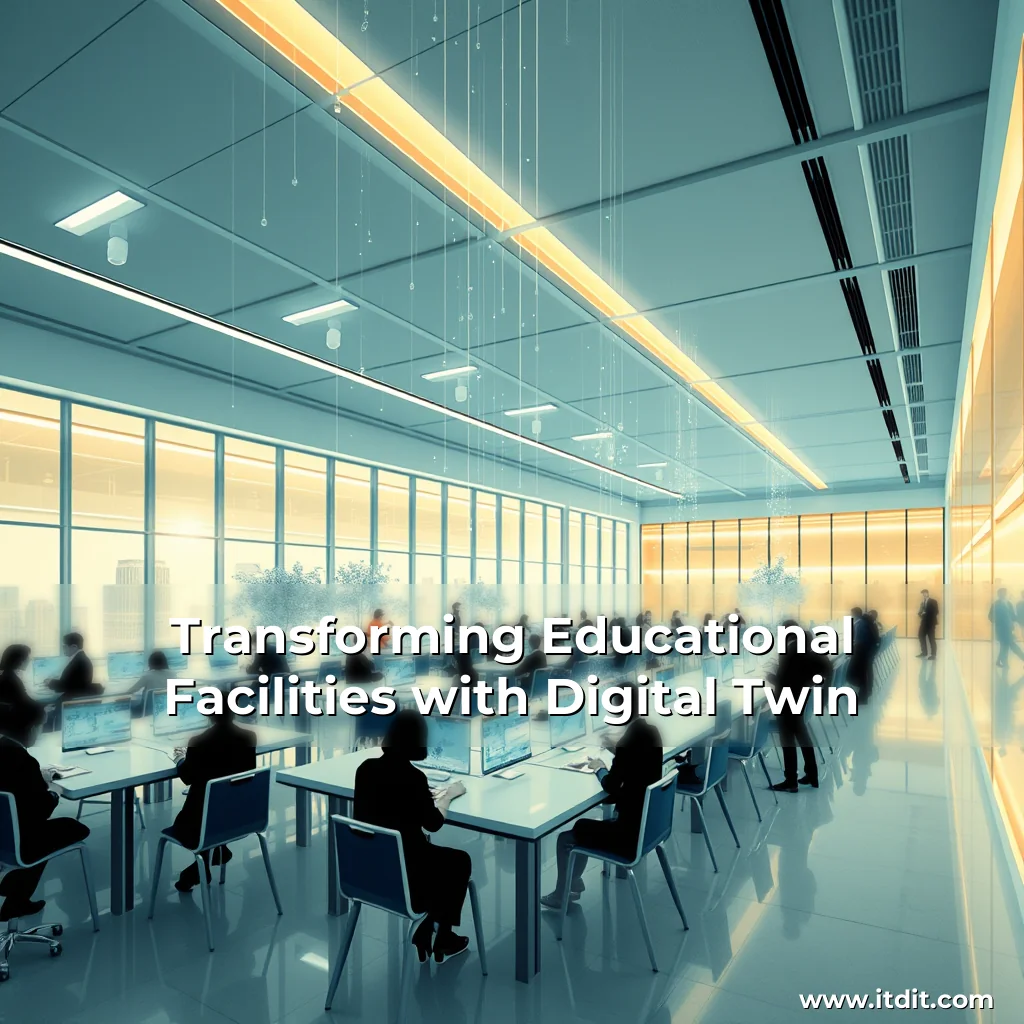
What is a Digital Twin? A digital twin is a virtual representation of a physical object, system, or environment. It is created by collecting data from sensors and other sources, and then using that data to create a digital model that can be used to simulate and analyze the physical environment. In the context of schools, a digital twin can be used to create a virtual model of the school building, including its layout, infrastructure, and systems. ### How Does it Work? The process of creating a digital twin involves several steps:
Benefits of Digital Twin Technology
Digital twin technology has several benefits for schools, including:
The Benefits of Digital Twins
Digital twins offer numerous benefits to various industries, including:
Real-World Applications
Digital twins are being used in various industries, including:
Case Study: Siemens’ Digital Twin
Siemens, a leading industrial equipment manufacturer, has developed a digital twin of its wind turbine. The digital twin uses real-time data from sensors and IoT devices to simulate the performance of the turbine.
This can be achieved by installing sensors and monitoring systems in the classroom. The use of digital twin technology can also help in the identification of potential issues before they become major problems.
Benefits of Digital Twin Technology
Enhancing Operational Efficiency
Digital twin technology offers a range of benefits for enhancing operational efficiency in various industries, including education. Some of the key benefits include:
This can be done by sending a notification to the school’s maintenance staff or by automatically triggering a repair request.
The Power of Digital Twins**
Digital twins are virtual replicas of physical objects, systems, or buildings. They are created using data from sensors, IoT devices, and other sources to simulate real-world conditions. This technology has the potential to revolutionize various industries, including education, healthcare, and manufacturing.
Predictive Maintenance**
One of the most significant benefits of digital twins is predictive maintenance. By analyzing data from sensors and other sources, digital twins can forecast when equipment or building components might fail. This allows maintenance departments to take preventive measures before the failure interferes with school functioning. Benefits of Predictive Maintenance:
- Reduced downtime and increased productivity
- Improved safety and reduced risk of accidents
- Extended equipment lifespan
- Lower maintenance costs
Real-World Applications**
Digital twins can be applied to various aspects of school management, including:
The Benefits of Data-Driven Management in Education
Data-driven management is a powerful tool that can transform the way schools operate. By leveraging digital twins, schools can make informed decisions that drive efficiency and improve the quality of education. In this article, we will explore the benefits of data-driven management in education and how it can help school operators achieve their goals.
What is Data-Driven Management? Data-driven management is a process that uses data and analytics to drive decision-making. It involves collecting and analyzing data from various sources, such as sensors, cameras, and other digital tools, to gain insights into the operation of the school. This data is then used to identify areas for improvement and make informed decisions that can drive efficiency and quality. Data-driven management works by using digital twins to create a virtual replica of the school’s physical space. This virtual replica is used to simulate various scenarios and predict potential issues before they arise.
Leveraging Data to Drive Student Success and Teacher Effectiveness in Smart Schools.
The Benefits of Data-Driven Decision Making in Smart Schools
In today’s fast-paced educational landscape, data-driven decision making has become a crucial aspect of smart schools. By leveraging technology and data analytics, schools can make informed decisions that drive student success, improve teacher effectiveness, and enhance the overall learning experience.
The Power of Data Management
In a traditional school setting, data management can be a fragmented and manual process. Teachers and administrators may rely on paper-based records, spreadsheets, or outdated software to track student progress, attendance, and behavior. However, this approach can lead to inefficiencies, errors, and a lack of real-time insights. In contrast, smart schools use a single, integrated database to manage data across various domains, including classroom technology, student behavior, and academic performance. This allows school leaders to access a unified view of student data, enabling them to identify trends, patterns, and areas for improvement.
Introduction
The concept of digital twins has been gaining significant attention in recent years, particularly in the field of education. A digital twin is a virtual replica of a physical object, system, or environment that can be used to simulate and analyze its behavior.
Benefits of Digital Twin Technology
Digital twin technology has numerous benefits, and one of the most significant advantages is its potential to reduce energy consumption and waste. By simulating real-world scenarios, digital twins can help organizations identify areas where energy is being wasted and optimize their operations to minimize waste. This can lead to significant cost savings and a reduced environmental impact.
Energy Efficiency
Waste Reduction
Implementation Challenges
While digital twin technology has numerous benefits, its implementation can be challenging. One of the main challenges is the need for significant investment in training and resources. Schools may need to spend extra resources on training for staff and administrators to enhance the effective usage of digital twin systems.
Training and Resources
These data can be obtained from various sources such as sensors, IoT devices, and other data sources. The data is then processed and analyzed to create a virtual replica of the physical facility.
The Rise of Digital Twin Technology in Educational Facilities
Understanding Digital Twins
Digital twins are virtual replicas of physical facilities that use data from various sources to simulate real-world conditions. They are designed to mimic the behavior of the physical facility, allowing for real-time monitoring and analysis of its performance. This technology has the potential to revolutionize the way educational facilities operate and build processes.
Key Characteristics of Digital Twins
Harnessing the Power of Digital Twins to Revolutionize Education.
However, the long-term benefits and cost savings can be substantial.
The Rise of Digital Twin Technology in Education
The concept of digital twin technology has been gaining traction in various industries, including education. Digital twins are virtual replicas of physical objects, systems, or environments that can be used to simulate and analyze real-world scenarios. In the context of education, digital twins can be used to create immersive and interactive learning experiences that cater to diverse learning styles.
Benefits of Digital Twin Technology in Education
The Transition to Digital Twin Technology
The transition to digital twin technology in education requires some initial capital investment. Some of the key challenges associated with implementing digital twin technology include:
Harnessing the Power of Real-Time Data to Enhance Education
## What is Digital Twin Technology?
Introduction
Digital Twin technology has revolutionized the way we approach education and learning. By leveraging real-time data from physical structures, schools can make data-driven decisions that improve the learning environment and student outcomes.
Energy Efficiency through Digital Twin Technology
Digital twin technology has the potential to revolutionize the way we approach energy efficiency in buildings. By creating a virtual replica of a physical space, digital twins can help identify areas of inefficiency and optimize energy usage in real-time.
How Digital Twin Technology Works
Digital twin technology involves creating a virtual model of a physical space, including all its components and systems. This virtual model is then used to simulate and analyze the behavior of the space, allowing for the identification of areas of inefficiency and opportunities for improvement. The virtual model can be used to monitor energy usage in real-time, allowing for the identification of waste areas and opportunities for optimization. Digital twins can also be used to optimize HVAC systems, lighting, and other building systems to reduce energy consumption.
This allows for data-driven decision making and optimization of resources.
Integrating School Facilities, Staff, and Students into the Digital Twin
The concept of a digital twin is not limited to physical infrastructure; it can also be applied to the entire school ecosystem, including facilities, staff, and students. By integrating these elements, schools can create a comprehensive and dynamic model that simulates the entire educational environment.
Benefits of Integration
Model Creating: Virtual Replication of the School
Creating a virtual replication of the school is the first step in integrating school facilities, staff, and students into the digital twin. This process involves collecting and embedding information about the school into a virtual model.
BIM Modeling Services
BPX offers a comprehensive range of BIM modeling services tailored to meet the unique needs of each client. Our team of experts provides customized solutions that cater to the specific requirements of each project, ensuring seamless integration with existing workflows and systems. Key benefits of BIM modeling services include: + Improved accuracy and efficiency in project execution + Enhanced collaboration and communication among stakeholders + Increased productivity and reduced errors + Better visualization and analysis of project data + Improved decision-making and problem-solving
Operational Efficiency
BPX’s BIM services are designed to improve operational efficiencies by streamlining workflows, reducing manual errors, and increasing productivity. By leveraging the power of BIM, our clients can:
Optimizing Workflows
BPX’s BIM services also focus on optimizing workflows by identifying areas of inefficiency and implementing process improvements. Our team works closely with clients to:
Enhancing Productivity
BPX’s BIM services are designed to enhance productivity by providing clients with the tools and expertise needed to complete projects efficiently.

news is a contributor at itdit. We are committed to providing well-researched, accurate, and valuable content to our readers.