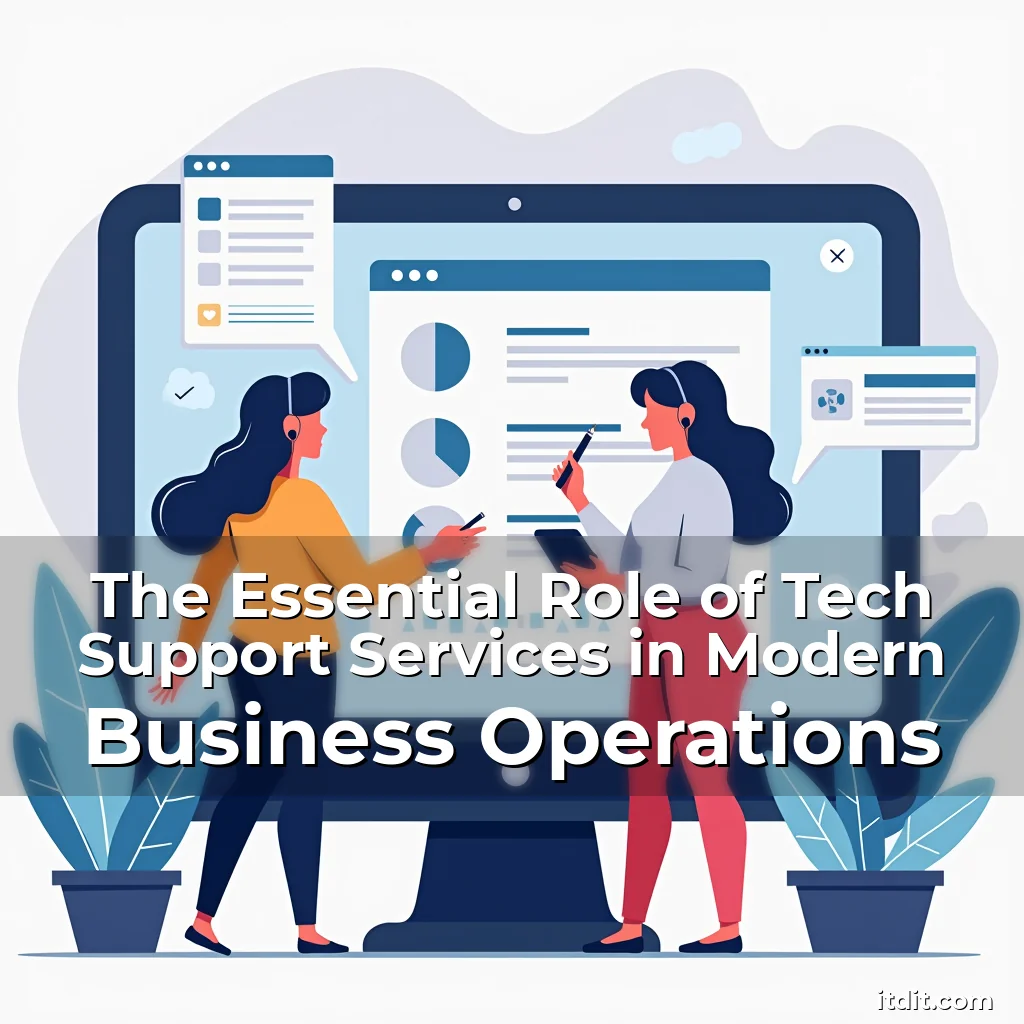
The Essential Role of Tech Support Services in Modern Business Operations
In today’s fast-paced digital landscape, businesses rely heavily on technology to maintain efficiency and competitiveness. As organizations increasingly depend on complex IT infrastructures, the importance of robust tech support services cannot be overstated.
From resolving software glitches to ensuring network security, skilled professionals provide critical assistance that keeps operations running smoothly. These experts play a vital role in minimizing downtime and maximizing productivity across industries.
Understanding the Scope of Tech Support Services
Tech support encompasses a wide range of services designed to help users troubleshoot technical issues. This includes both hardware and software-related problems encountered by individuals or enterprises alike.
Support teams often handle everything from basic user training to advanced system maintenance tasks. Their expertise spans various platforms including Windows, macOS, Linux, mobile devices, and cloud-based solutions.
- Remote Assistance: Technicians can diagnose and resolve many common issues through remote desktop connections without requiring physical presence at the client site.
- On-Site Visits: For more complicated hardware failures or data recovery needs, field technicians may need to visit locations personally to perform repairs or installations.
Types of Tech Support Models Available Today
Different business models have emerged around providing tech support services based on their target audience and service delivery methods. Understanding these options helps companies choose what best fits their operational requirements.
The most common approaches include outsourced support, in-house dedicated teams, hybrid models combining internal staff with external providers, and subscription-based service plans offering tiered levels of access.
Outsourcing vs In-House Solutions
Many small-to-medium-sized businesses opt for outsourcing their tech support needs due to cost-effectiveness and scalability advantages over maintaining full-time employees specifically for this purpose.
A study conducted by Gartner found that approximately 68% of midsize firms utilize some form of third-party IT support services rather than building an entirely internal team. Outsourcing allows greater flexibility during peak demand periods while reducing overhead costs associated with hiring specialists full-time.
Evaluating Key Components of Quality Tech Support
When selecting a reliable provider, several factors determine the effectiveness of tech support services delivered. Assessing these components ensures you receive timely resolutions aligned with your organization’s priorities.
Critical aspects include response time guarantees, availability outside regular working hours, knowledge base accessibility for self-help resources, and clear communication channels between clients and support personnel.
- SLA Agreements: Service Level Agreements define expectations regarding resolution times, uptime percentages, and penalties for non-compliance which protect both parties involved.
- Multilingual Support: Global companies benefit significantly from having multilingual representatives who understand regional nuances affecting troubleshooting processes.
Emerging Trends Shaping Future Tech Support Landscapes
The evolution of artificial intelligence is revolutionizing how we perceive traditional customer service interactions within the realm of technical assistance. Chatbots powered by machine learning algorithms now assist millions daily in diagnosing simple issues autonomously.
However, human intervention remains crucial when dealing with intricate matters where context understanding goes beyond predefined scripts used by automated systems. The balance between AI automation and personalized expert guidance continues shaping industry standards moving forward.
Benefits Realized Through Effective Tech Support Implementation
Implementing efficient tech support structures leads directly towards enhanced employee satisfaction as well as improved overall business performance metrics. Reduced frustration among end-users translates into higher productivity rates observed throughout departments reliant upon seamless technological functioning.
Additionally, proactive monitoring capabilities enable preemptive identification of potential vulnerabilities before they escalate into major disruptions. Predictive analytics tools integrated into modern support frameworks contribute greatly toward achieving such objectives effectively.
Challenges Faced By Tech Support Professionals Daily
Despite advancements made in recent years, challenges persist within the profession itself. High-pressure environments characterized by constant interruptions demand exceptional problem-solving skills under tight deadlines imposed by urgent requests from customers seeking immediate relief.
Moreover, keeping pace with rapidly evolving technologies requires continuous education efforts; certifications must remain current so practitioners stay knowledgeable about emerging threats like ransomware attacks targeting sensitive information assets held by corporations globally.
Best Practices for Choosing Reliable Tech Support Providers
Selecting the right partner involves thorough research encompassing reviews from other clients along with direct consultations aimed at aligning offerings precisely against organizational goals. Verifying credentials related to industry compliance standards adds another layer of assurance about quality assurance measures employed internally.
Requesting trial periods prior to long-term commitments offers opportunities to assess actual performance firsthand rather than relying solely on promises presented initially during sales pitches focused primarily on benefits rather than tangible outcomes achieved post-implementation.
Future Outlook And Innovations In Tech Support Sector
As virtual reality interfaces become mainstream adoption trends continue accelerating growth trajectories projected across sectors experiencing digital transformation phases currently underway worldwide. Virtual reality headsets equipped with augmented features facilitate immersive experiences enabling real-time collaboration scenarios previously unimaginable even five years ago.
Integration of Internet Of Things (IoT) devices presents new frontiers requiring specialized attention from support engineers trained specifically in handling interconnected smart ecosystems prevalent nowadays especially within home automation markets expanding exponentially each year since introduction of voice-controlled assistants like Alexa or Google Home.
Conclusion
Tech support services are indispensable elements supporting smooth functioning of contemporary enterprises navigating increasingly complex technological terrains continuously being reshaped by innovation cycles occurring at unprecedented speeds recently witnessed historically.
To ensure sustained success amidst ongoing transformations characterizing modern workplaces embracing digitization extensively, investing wisely in dependable technical assistance frameworks becomes paramount priority worth prioritizing strategically above all else considered essential for future readiness planning purposes.