
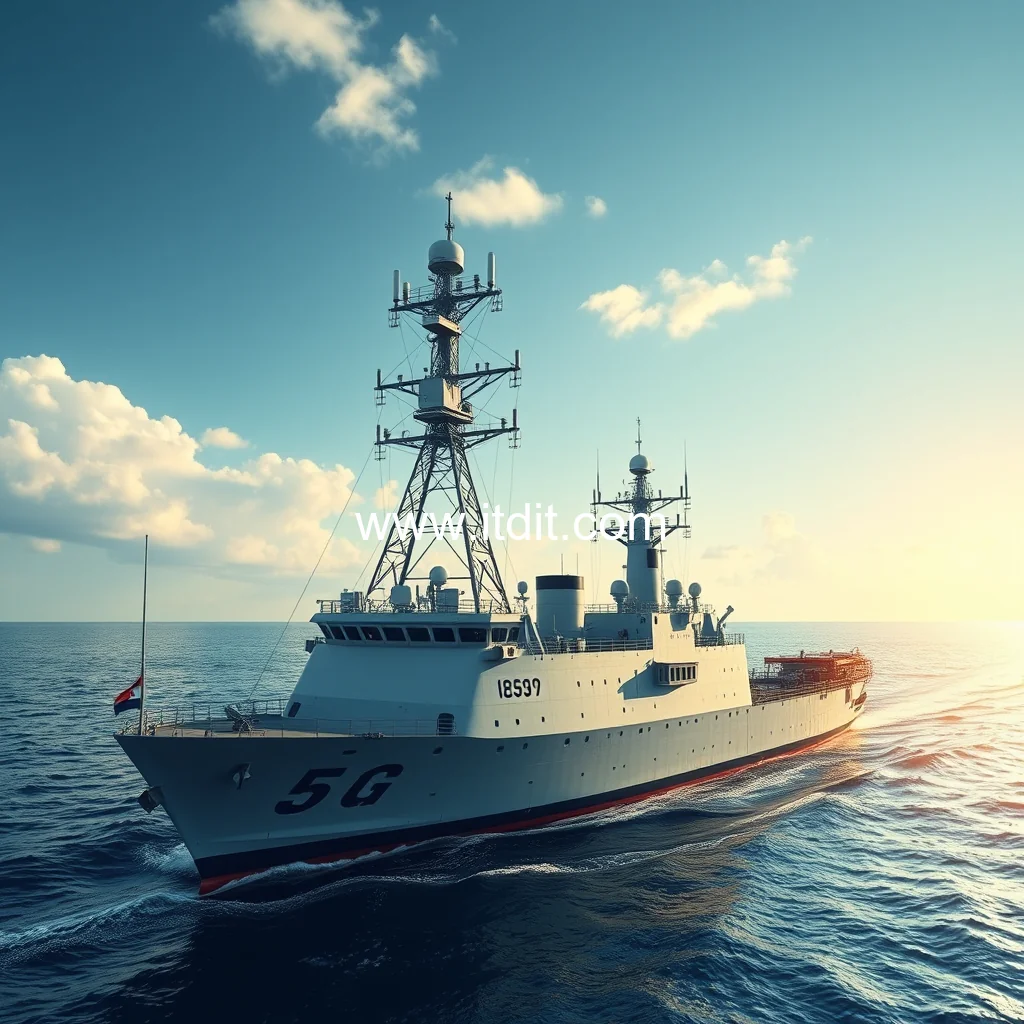
KT Corporation, a leading telecommunications company in Korea, will provide the network infrastructure and services for the project.
The Smart Naval Port Project
The Smart Naval Port project is a comprehensive initiative aimed at modernizing the ROK Navy’s port facilities and enhancing its operational efficiency. The project involves the deployment of advanced technologies, including artificial intelligence, blockchain, and the Internet of Things (IoT), to create a smart and connected naval port.
Key Features of the Smart Naval Port Project
The Project Overview
The Republic of Korea Navy 2nd Fleet is one of the most prominent naval forces in the world, with a long history of service and a strong reputation for excellence. The Navy’s 2nd Fleet is responsible for defending the country’s southern coast and maintaining maritime security in the region. In recent years, the Navy has recognized the need for a more modern and advanced network infrastructure to support its operations.
The Challenges of Building a New Network Infrastructure
Building a new network infrastructure for the Navy’s 2nd Fleet is a complex task that requires careful planning and execution.
The Navy’s 5G Buildout: A New Era of Connectivity
The United States Navy has embarked on a significant project to upgrade its communication infrastructure with the latest technology: 5G. This initiative aims to enhance the navy’s operational capabilities, improve efficiency, and support the development of new technologies. In this article, we will delve into the details of the navy’s 5G buildout, its benefits, and the innovative solutions being implemented.
The Need for 5G in the Navy
The navy’s current communication infrastructure is largely based on older technologies, such as 4G and satellite communications. While these technologies have served the navy well, they have limitations. The increasing demand for data-intensive applications, such as video conferencing and data analytics, has outpaced the capacity of these older systems. The navy’s 5G buildout is designed to address these limitations and provide a more robust and reliable communication network.
Artificial Intelligence-Enabled Connectivity
The navy’s 5G buildout will be supported by artificial intelligence (AI)-enabled connectivity solutions. These solutions will enable the navy to leverage the power of AI to enhance its communication infrastructure. Some of the specific use cases for AI-enabled connectivity include:
The system will also provide real-time monitoring of the naval base’s perimeter and surveillance systems.
Introduction
The naval base is a critical component of a country’s national security infrastructure. Its primary function is to provide a secure location for naval vessels and personnel. However, the naval base is not immune to threats, and its security is a top priority. To address this concern, the intelligent security monitoring system is being developed.
Key Features
The intelligent security monitoring system is designed to enhance the naval base’s defence capabilities. Some of its key features include:
Benefits
The intelligent security monitoring system offers several benefits, including:
Lee stated that the company has been working on its 5G solutions for over 10 years, and has developed a strong understanding of the industry’s needs and challenges.
The Rise of Private 5G Networks
Private 5G networks are becoming increasingly popular as organizations look for ways to improve their communication and data exchange capabilities. These networks are designed for specific industries or organizations, such as manufacturing, healthcare, and finance, and are typically used for applications that require high-speed, low-latency data transfer. Key benefits of private 5G networks include:
Samsung’s Private 5G Solutions
Samsung has been a leader in the development of private 5G solutions for over a decade.