Telemarketing Sales Rule Gets a Major Overhaul to Protect Consumers from Deceptive Practices.
The FTC approved final amendments to its Telemarketing Sales Rule. The amendments extend the TSR’s coverage to “inbound” telemarketing calls. Most provisions of the final rule will take effect 60 days after publication.
The Evolution of Telemarketing Regulations
The Federal Trade Commission (FTC) has been regulating telemarketing sales practices for decades. The Telemarketing Sales Rule (TSR) was first introduced in 2003 to protect consumers from deceptive and unfair telemarketing practices. Over the years, the rule has undergone several revisions to address emerging issues and concerns.
Key Provisions of the Revised Rule
The revised rule includes several key provisions that aim to enhance consumer protection and prevent deceptive telemarketing practices. Some of the notable provisions include:
Impact on Telemarketing Industry
The revised rule is expected to have a significant impact on the telemarketing industry.
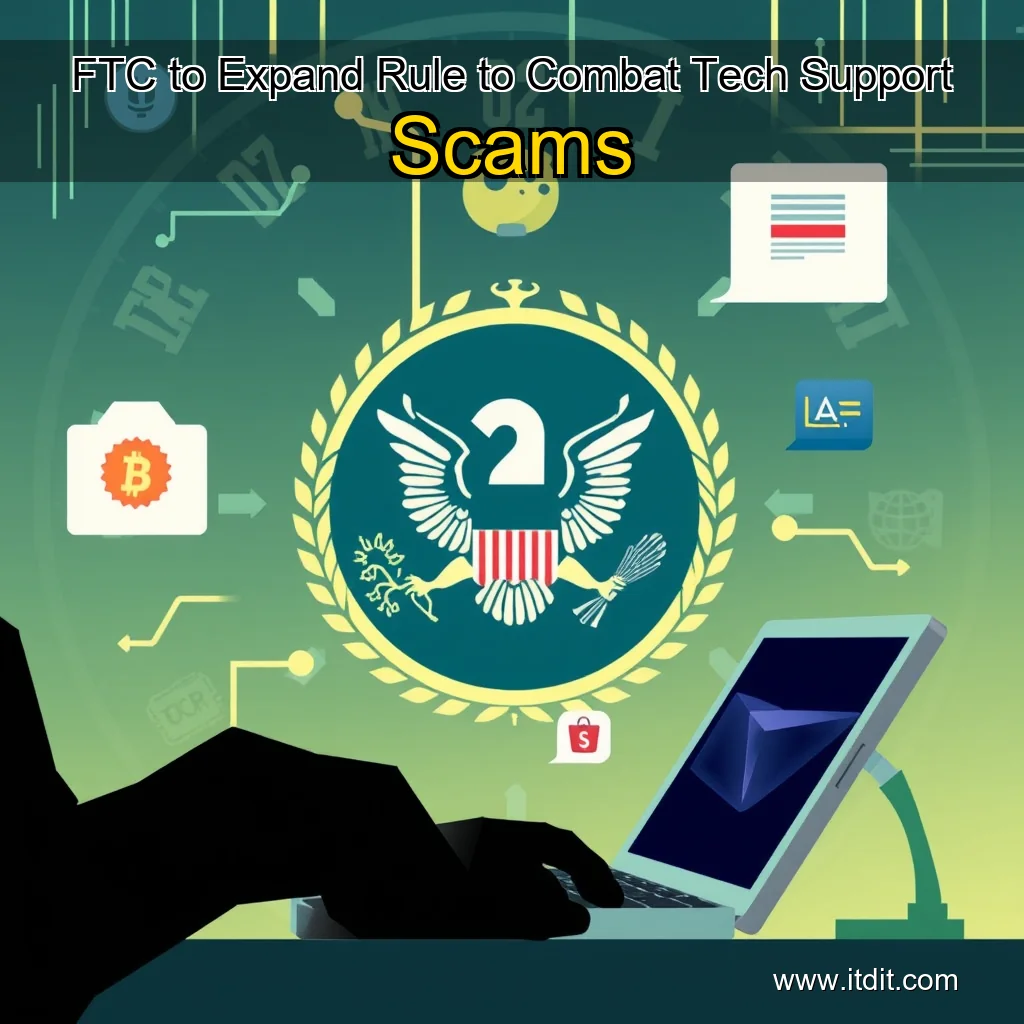
Scammers use tactics to create a false sense of urgency and panic to trick consumers into taking action.
These scams can result in significant financial losses for consumers.
The Anatomy of a Tech Support Scam
Understanding the Tactics Used by Scammers
Tech support scams often rely on creating a sense of urgency and panic to trick consumers into taking action.
Don’t fall for the scam: Know the tactics and protect yourself from imposter scams.
The scammer’s goal is to convince the consumer to reveal sensitive information, such as passwords, credit card numbers, or social security numbers.
Understanding Imposter Scams
Imposter scams are a type of identity theft scam where the scammer poses as a trusted entity, such as a bank, government agency, or tech company, to gain the victim’s trust. The scammer’s ultimate goal is to trick the victim into revealing sensitive information or performing a specific action that benefits the scammer.