Introduction
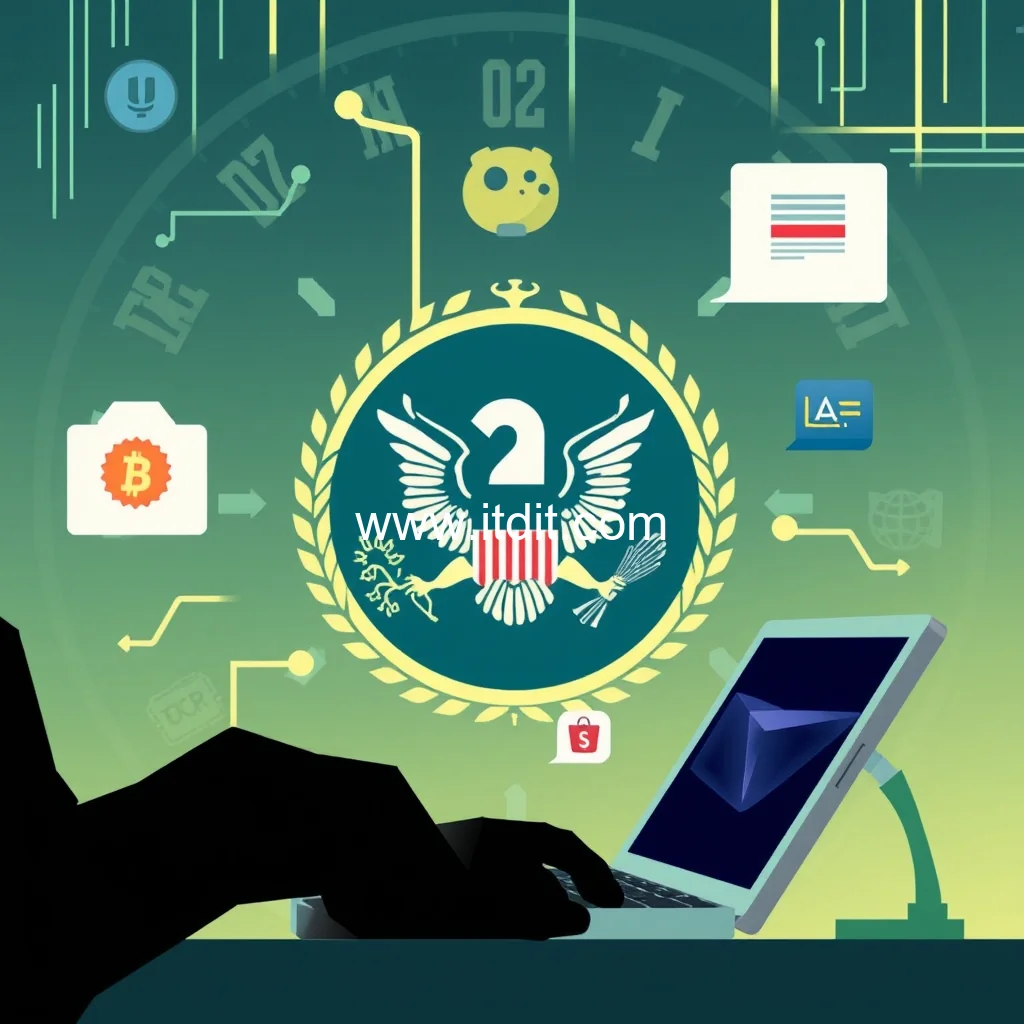
The Federal Trade Commission (FTC) has taken a significant step in enhancing consumer protection by approving the final amendments to its Telemarketing Sales Rule (TSR). The rule, which has been in place since 2003, has undergone several revisions to address emerging issues and concerns. The latest amendments aim to provide greater clarity and protection for consumers, particularly in the context of inbound telemarketing calls.
Key Provisions of the Final Rule
The final rule includes several key provisions that will significantly impact the telemmarketing industry. Some of the most notable provisions include:
These scams can be very convincing, but there are ways to protect yourself from them.
Understanding the Scam
What is a Tech Support Scam? A tech support scam is a type of online scam where a scammer claims that your device is infected with malware and offers to fix it for a fee. The scammer may use pop-up alerts, fake websites, or even phone calls to convince you that your device is infected. The scammer may claim that your device is infected with a virus, Trojan horse, or other types of malware. They may also claim that your device is slow or unresponsive, and that they can fix it for a fee. The scammer may use high-pressure sales tactics to convince you to pay for their services. ### How Do Tech Support Scams Work? #### The Scamming Process
The scams targeted individuals who were already victims of identity theft or had previously been targeted by scammers.
Imposter Scams: A Growing Concern for Consumers
Understanding the Threat
Imposter scams have become a significant concern for consumers in recent years. These scams involve scammers posing as representatives of a legitimate organization, such as a bank, government agency, or utility company, to trick victims into divulging sensitive information or sending money. The scammers often use psychological manipulation and social engineering tactics to build trust with their victims.