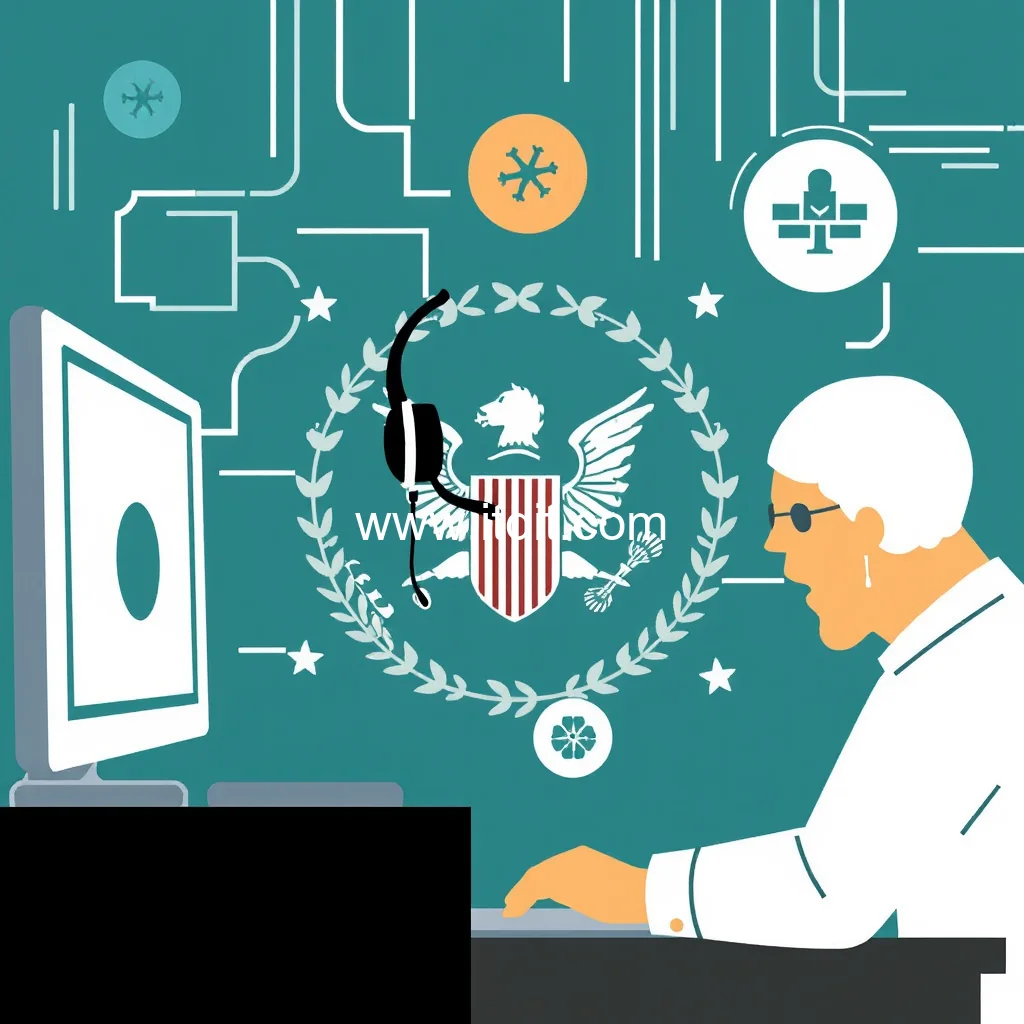
These hotlines often claim to be from well-known companies like Microsoft or Apple, and promise to fix problems with the customer’s computer or device. However, the FTC warns that these calls are often scams, and that customers should be cautious when responding to unsolicited calls.
The FTC’s Rule Expansion
The FTC’s rule expansion aims to protect consumers from abusive telemarketing practices, particularly those that involve fake tech support hotlines. The new rule will apply to all companies that engage in telemarketing activities, including those that use automated dialing systems or robocalls.
Key Provisions of the Rule
Tech Support Scams: A Growing Problem in the Digital Age.
This includes services that claim to fix computer viruses, malware, or other types of cyber threats.
The Rise of Tech Support Scams
Tech support scams have become a significant problem in recent years, with the Federal Trade Commission (FTC) reporting that they are a leading driver of fraud losses. These scams typically involve scammers claiming to be from a reputable tech company, such as Microsoft or Apple, and offering to fix a computer problem for a fee. However, the “fix” often turns out to be a scam, and the victim is left with a significant financial loss.
How Tech Support Scams Work
The Impact of Tech Support Scams
Tech support scams can have a significant impact on individuals and businesses.
Introduction
The Federal Aviation Administration (FAA) has announced a new rule that will significantly impact the aviation industry. The rule, which is set to become effective 60 days after its publication in the Federal Register, aims to improve safety and reduce the risk of accidents. In this article, we will delve into the details of the new rule and explore its implications for the aviation industry.