This solution enables companies to create, deploy, and manage containerised applications with ease, reducing the time it takes to bring new products to market.
The Problem of Time-to-Market
In today’s fast-paced business environment, companies are under immense pressure to innovate and deliver new products, services, and offerings quickly. The traditional approach to product development, which involves lengthy planning, design, and testing phases, is no longer sufficient. With the rise of digital transformation, companies need to be agile and adaptable to stay ahead of the competition.
Lightweight and portable packaging for software applications and their dependencies.
What is Containerisation? Containerisation is a lightweight and portable way of packaging software applications and their dependencies into a single container that can be run on any environment that supports containers. This approach allows developers to create, deploy, and manage applications more efficiently. ### Benefits of Containerisation
How Containerisation Works
Containerisation works by packaging the application code and its dependencies into a single container that includes the operating system, libraries, and other necessary components. This container is then run on a host operating system, which provides the necessary resources for the application to run.
The Containerisation Process
Scalable and modular infrastructure for data centers and cloud computing environments.
The Open Compute Project (OCP) Inspired Infrastructure Platform
The Atlantis Cinabox is built on top of an Open Compute Project (OCP) inspired infrastructure platform. This platform is designed to provide a flexible and scalable solution for data centers and cloud computing environments. The OCP platform is open-source, allowing developers to contribute to its development and customization.
Key Features of the OCP Platform
The OCP platform is designed to provide a flexible and scalable solution for data centers and cloud computing environments. It is optimized for energy efficiency and cost-effectiveness, making it an attractive option for organizations looking to reduce their environmental impact and lower their operational costs.
The Atlantis Cinabox Solution
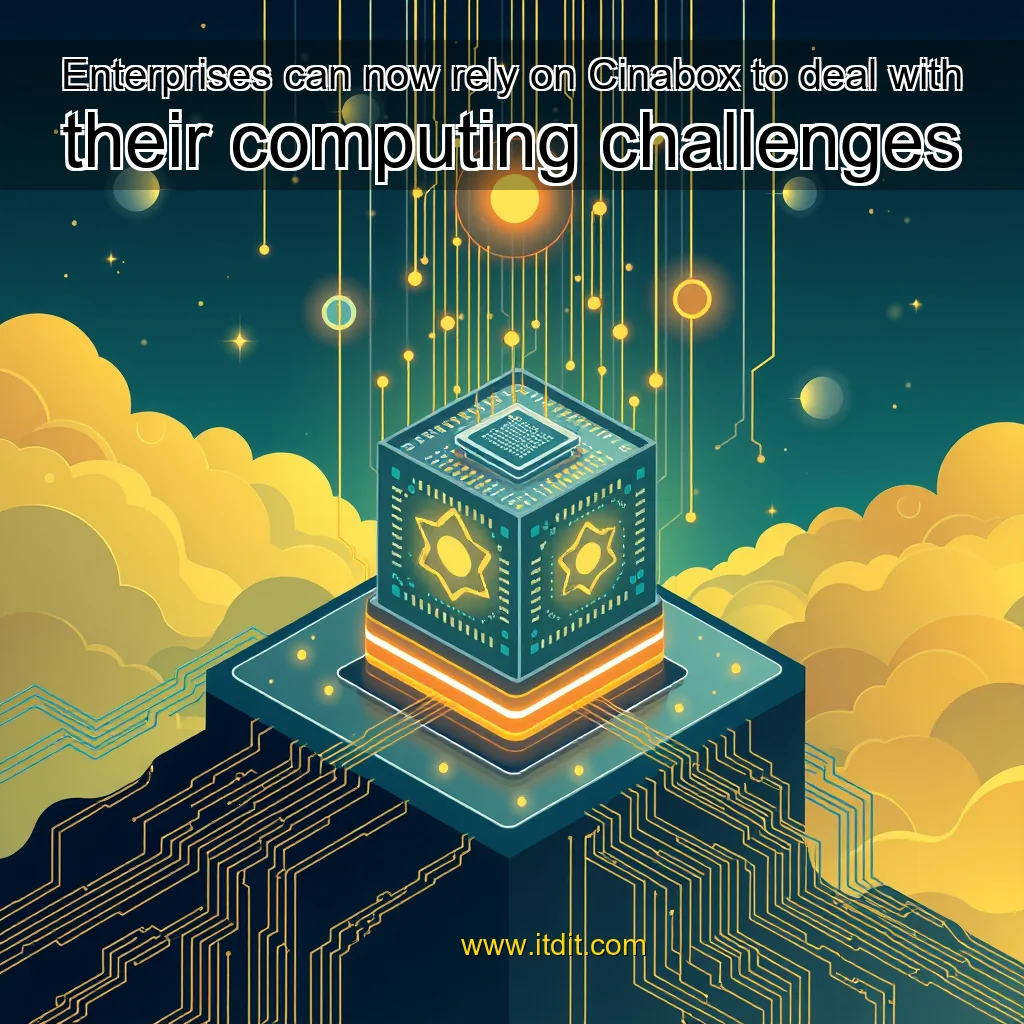
The Atlantis Cinabox is a comprehensive solution that addresses all pre-production and production compute, networking, and storage needs.
Infrastructure as Code (IaC) management – automating the creation and management of infrastructure as code. Cloud security – protecting sensitive data and applications from cloud security threats. Disaster recovery – ensuring business continuity in the event of a disaster.
The Versatility of Atlantis
Atlantis is a powerful tool that can be used to run a wide range of data centre workloads. Its versatility is one of its most significant advantages, making it an ideal choice for organizations of all sizes and industries.
Agile Software Development
Atlantis can be used to enhance Agile software development practices, particularly in the areas of Continuous Integration/Continuous Deployment (CI/CD). By automating the build, test, and deployment processes, Atlantis can help teams deliver software faster and more reliably. Key benefits of using Atlantis for Agile software development: + Faster time-to-market + Improved quality and reliability + Increased collaboration and transparency + Reduced risk and improved security
DevOps Culture
Atlantis can also be used to foster a DevOps culture by providing a pre-production environment for testing and migration from legacy bare metal and virtual machine applications.