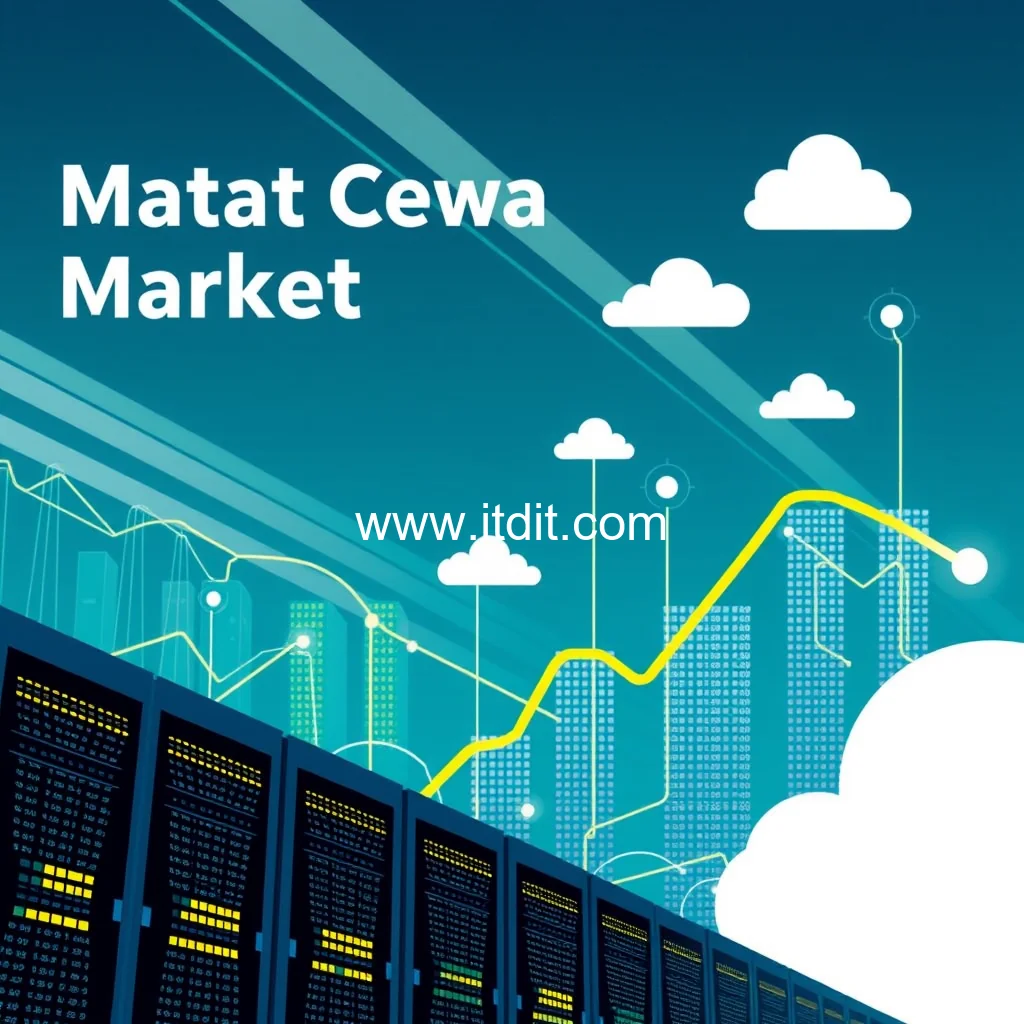
Market Overview
The global data center market is experiencing rapid growth, driven by increasing demand for cloud computing, artificial intelligence, and the Internet of Things (IoT). As more businesses move their operations to the cloud, the need for secure and reliable data centers has never been greater.
Key Drivers
Challenges
Despite the growth of the data center market, there are several challenges that need to be addressed. One of the biggest challenges is cybersecurity.
The Rise of AI in Data Centers
The integration of Artificial Intelligence (AI) technology in data centers is revolutionizing the way these facilities operate. By leveraging AI capabilities, data centers can optimize their systems, leading to improved efficiency and reduced costs. This trend is expected to continue, with advanced robots with AI and machine learning capabilities set to increase operating efficiency in cloud data centers by over 30% by 2028.
Benefits of AI in Data Centers
The Role of Advanced Robots
Advanced robots with AI and machine learning capabilities will play a significant role in increasing operating efficiency in cloud data centers.
Here are some key points to consider:
The Importance of Green Data Centers
Energy Efficiency and Sustainability
Data centers are significant consumers of electricity, accounting for approximately 1% of global electricity consumption. The increasing demand for data storage and processing has led to a surge in the number of data centers worldwide. However, the environmental impact of these facilities is substantial, contributing to greenhouse gas emissions and climate change. To mitigate this issue, green data centers have emerged as a solution. These facilities are designed to minimize energy consumption and reduce their carbon footprint. Some key features of green data centers include:
Benefits of Green Data Centers
Green data centers offer several benefits, including:
To mitigate these risks, businesses must implement robust security measures.
Understanding the Risks of Cyberattacks
Cyberattacks are a growing concern for businesses, with the potential to compromise sensitive data and disrupt operations. The increasing use of cloud services and IoT solutions has created new vulnerabilities, making it essential for businesses to prioritize security. Cloud services, such as cloud storage and cloud computing, provide businesses with flexibility and scalability, but they also introduce new risks. IoT solutions, such as smart home devices and industrial control systems, can be vulnerable to cyberattacks, compromising data and disrupting operations. The consequences of a cyberattack can be severe, including financial losses, reputational damage, and even physical harm.
Implementing Robust Security Measures
To mitigate the risks of cyberattacks, businesses must implement robust security measures. This includes:
Protecting Sensitive Data
Protecting sensitive data, such as customer information, is critical for businesses. This includes:
Conclusion
In conclusion, securing sensitive data is a critical concern for businesses.
Decentralized Data Centers: A Solution for Autonomous Vehicles and Smart Cities
In the realm of autonomous vehicles and smart cities, real-time data processing is essential for efficient decision-making and effective management. However, one major concern is latency, which can hinder the performance and reliability of these systems. Decentralized Data Centers (DDCs) offer a promising solution to this problem by addressing local special circumstances and data sovereignty regulations.
Benefits of Decentralized Data Centers
Enterprise Engineering Solutions
Enterprise Engineering Solutions play a crucial role in designing and implementing DDCs.
As a result, the demand for data center space is on the rise, driving the growth of the data center market.
The Rise of the Data Center Market
The data center market is experiencing a significant surge in growth, driven by the increasing adoption of cloud computing and digital transformation.
Digitalization fuels data center growth.
The Rise of Data Centers
The data center market is experiencing a significant surge in growth, driven by the increasing demand for IT infrastructure to support the digitalization of businesses and individuals. This growth is largely attributed to the need for real-time data processing in online retail and e-commerce.
Key Drivers of Growth
Benefits of Data Centers
Data centers provide several benefits to businesses, including:
The Rise of the Data Center Market
The data center market has experienced significant growth in recent years, driven by the increasing adoption of emerging technologies such as Artificial Intelligence (AI) and Machine Learning (ML). These technologies have created a vast amount of data that needs to be processed and stored, leading to a surge in demand for data centers.
Key Drivers of the Data Center Market
Identifying and Catering to Specific Customer Needs Through Market Segmentation and IT Infrastructure.
Market Segmentation Component
The market segmentation component is a crucial aspect of the security solutions market, as it enables companies to identify and cater to specific customer needs. By segmenting the market, companies can create targeted solutions that meet the unique requirements of each segment. Key segments: + BFSI (Banking, Financial Services, and Insurance) + Energy + IT + Others (including government, healthcare, and education)
+ Improved customer satisfaction + Increased sales and revenue + Enhanced competitiveness + Better understanding of customer needs
IT Infrastructure
The IT infrastructure component is a critical aspect of the security solutions market, as it enables companies to provide robust and reliable security solutions.
Overview of Technavio’s Report Library
Technavio’s report library is a vast repository of market research reports that cater to the diverse needs of enterprises across various industries. With over 17,000 reports in its library, the company has established itself as a trusted source for businesses seeking actionable insights and data-driven decision-making. The library covers a wide range of technologies, including but not limited to:
Key Features of Technavio’s Report Library
Technavio’s report library offers a plethora of features that make it an attractive option for enterprises seeking to stay ahead of the competition. Some of the key features include:
Client Base
Technavio’s client base is diverse and extensive, comprising enterprises of all sizes, including more than 100 Fortune 500 companies. These clients include: