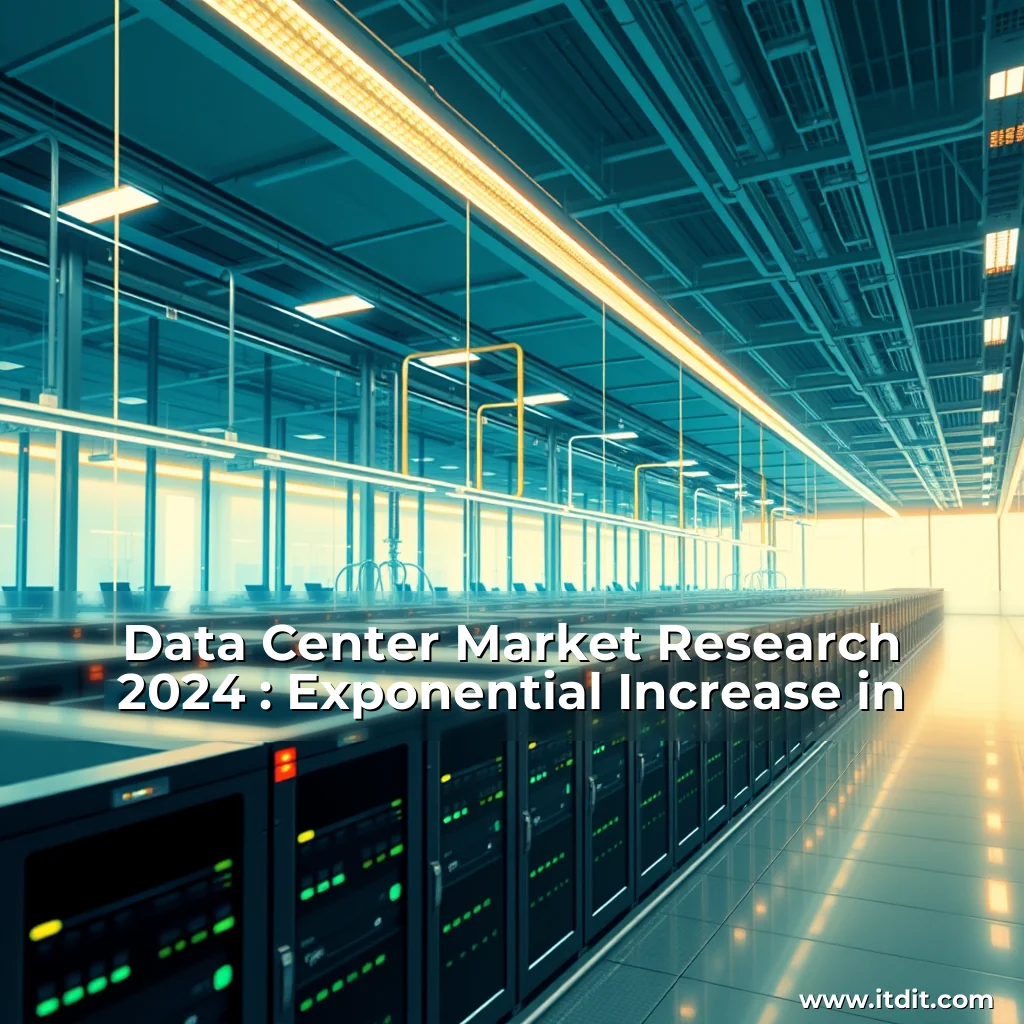
This has led to a significant rise in the demand for data centers, as companies seek to store and process large amounts of data efficiently.
Key Drivers of the Data Center Market
Increasing Demand for Cloud Services
Growing Need for Edge Computing
Rising Adoption of Artificial Intelligence and Machine Learning
In this context, the importance of data center infrastructure cannot be overstated. A well-designed data center infrastructure is essential for supporting the demands of cloud computing, ensuring high availability, and protecting sensitive data.
The Importance of Data Center Infrastructure
Scalability and Flexibility
As businesses continue to grow and expand their cloud-based operations, their data center infrastructure must be able to scale and adapt to meet the increasing demands. This requires a data center infrastructure that is flexible, modular, and easily upgradable.
Liquid cooling systems use a coolant to absorb heat from servers and transfer it to a heat exchanger, while free cooling systems harness natural cooling from the environment.
The Cooling Conundrum in Data Centers
Data centers are the backbone of modern computing, hosting a vast array of servers, storage systems, and networking equipment. However, these facilities are notorious for generating significant amounts of heat, which can lead to equipment failure, reduced performance, and increased energy consumption.
Data centers consume more energy than 40 countries, highlighting the need for energy efficiency.
Energy Efficiency in Data Centers: A Path to Sustainability
The world of data centers is a complex and energy-intensive environment. As the demand for digital services continues to grow, the need for efficient data centers becomes increasingly important. In this article, we will explore the importance of energy efficiency in data centers and discuss strategies for reducing power consumption.
The Energy Consumption Problem
Data centers are notorious for their high energy consumption. According to a study by the Natural Resources Defense Council, data centers account for approximately 1% of the world’s total electricity usage, but they consume more energy than 40 entire countries.
Data centers are significant contributors to greenhouse gas emissions, and their energy consumption is a major concern. As a result, companies are seeking alternative solutions to reduce their carbon footprint.
Edge Computing: The Future of Data Processing
The Need for Edge Computing
The increasing demand for faster data processing and reduced latency has led to the emergence of edge computing. With the proliferation of IoT devices, edge computing enables real-time processing and analysis of data at the edge of the network, reducing the need for data to be transmitted to the cloud or data center. This approach has significant implications for various industries, including manufacturing, healthcare, and finance.
Benefits of Edge Computing
The Role of 5G in Edge Computing
High-Speed and Low-Latency Capabilities
The rise of 5G networks is further propelling the adoption of edge computing. With its high-speed and low-latency capabilities, 5G provides the necessary infrastructure to support edge deployments.
Here are some key points to consider when evaluating the sustainability of a data center’s energy usage.
Understanding the Impact of Renewable Energy on Data Centers
Renewable energy sources, such as solar, wind, and hydroelectric power, offer a cleaner alternative to traditional fossil fuels. By harnessing these energy sources, data centers can significantly reduce their carbon footprint and contribute to a more sustainable future. Solar Power: Solar power is becoming increasingly cost-competitive with traditional energy sources. Data centers can install solar panels on their rooftops or in nearby solar farms to generate electricity. Wind Power: Wind power is another viable option for data centers. Wind turbines can be installed on-site or in nearby wind farms to generate electricity. * Hydroelectric Power: Hydroelectric power is a reliable and renewable energy source that can be used to generate electricity.**
Evaluating the Sustainability of a Data Center’s Energy Usage
When evaluating the sustainability of a data center’s energy usage, several factors need to be considered.
The report provides a comprehensive overview of the global data center market, including market size, growth rate, and key trends.
The Global Data Center Market Report: An In-Depth Analysis
Market Overview
The global data center market is a rapidly growing industry, with a projected market size of over $200 billion by 2025. This growth is driven by the increasing demand for cloud computing, big data analytics, and artificial intelligence. The market is expected to continue growing at a compound annual growth rate (CAGR) of 10.5% from 2020 to 2025.
Competitive Landscape
The global data center market is highly competitive, with numerous players vying for market share. The report categorizes companies by type, density, and end-user sector, providing a comprehensive overview of the competitive landscape. Some of the key players in the market include:
These companies are categorized into different types, including:
The market is also classified by density, with categories ranging from low to extreme. This classification helps to identify the key players in each segment and provides insights into the competitive landscape.
Market Segmentation
The global data center market is segmented by type, density, and end-user sector. The report provides a detailed analysis of each segment, including market size, growth rate, and key trends.
North America poised for data center boom driven by cloud computing and IoT growth.
Data Center Market Outlook: A Regional Breakdown
The data center market is a rapidly evolving industry, with significant growth prospects across various regions. In this article, we will delve into the data center market outlook for North America, Europe, Asia-Pacific, South America, Middle East and Africa, and provide insights into market dynamics, trends, and developments.
North America Data Center Market Outlook
The North American data center market is expected to experience significant growth, driven by the increasing demand for cloud computing, artificial intelligence, and the Internet of Things (IoT).
Attachment Data Center Market