The Strategic Evolution of Customer Relationship Management in Modern Business Ecosystems
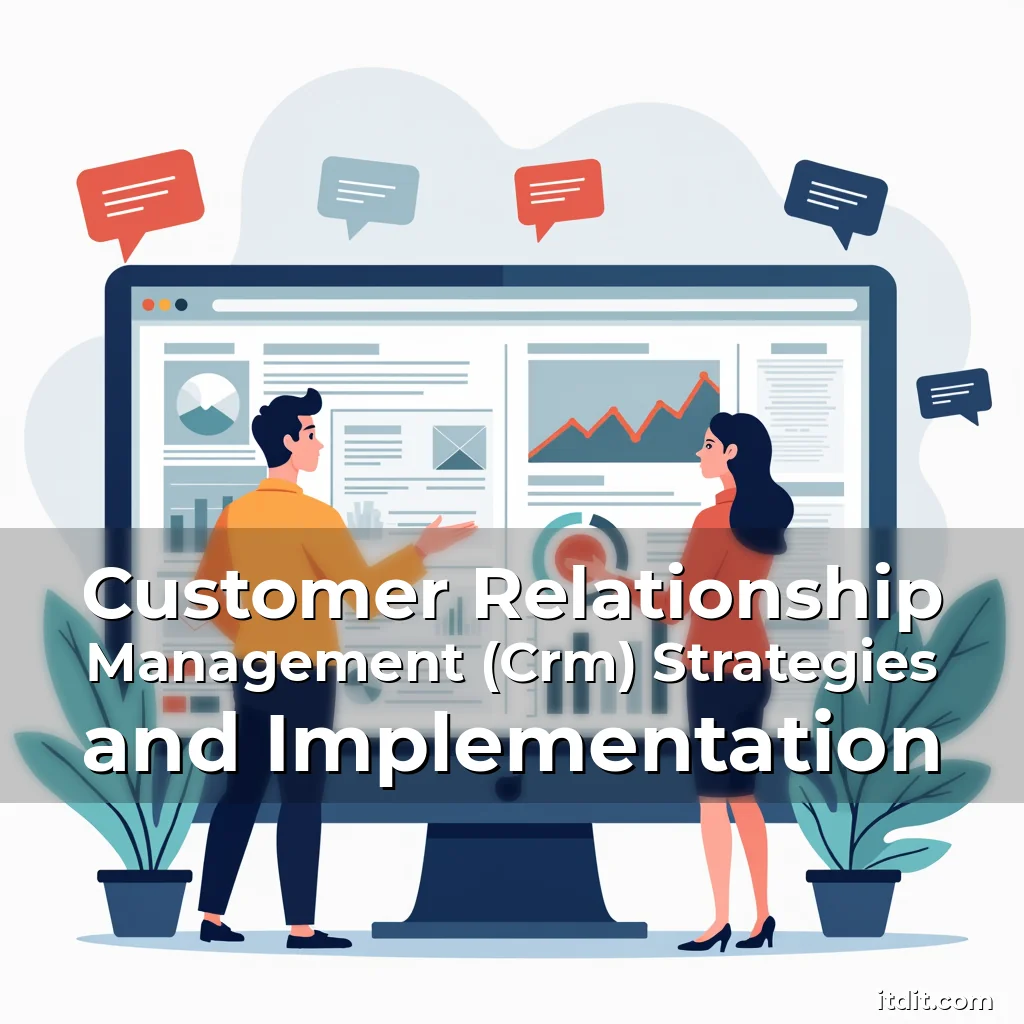
In an era where customer expectations evolve at breakneck speed, businesses are increasingly turning to Customer Relationship Management (CRM) systems as their lifeline for sustainable growth. CRM has transformed from simple contact management tools into sophisticated platforms that drive sales, enhance service delivery, and foster long-term loyalty through data-driven decision-making.
This evolution is not merely technological—it’s a fundamental shift in how organizations perceive and interact with their customers. From small startups to multinational corporations, the strategic implementation of CRM now determines competitive advantage in highly saturated markets.
The Core Principles Behind Effective CRM Implementation
At its foundation, effective CRM relies on three pillars: centralized data storage, personalized interaction strategies, and continuous performance monitoring. These principles work in harmony to create a seamless customer journey across touchpoints.
A centralized database ensures all departments have access to real-time customer information, eliminating silos that often hinder efficient operations. This unified view allows marketing teams to tailor campaigns while support staff can resolve issues faster by understanding a client’s full history.
Personalized interactions go beyond mere customization—they require deep behavioral analysis. Advanced CRM systems today leverage machine learning algorithms to predict buying patterns and recommend products before customers even realize they need them.
Performance metrics such as Customer Lifetime Value (CLV), Net Promoter Score (NPS), and churn rates become vital indicators when evaluating CRM effectiveness. Regular audits help identify gaps between current practices and desired outcomes.
- Data Integration: Successful CRM requires integration with existing business systems including ERP, social media, and e-commerce platforms to provide complete visibility into customer behavior.
- User Adoption: The most advanced software becomes useless without consistent user engagement. Training programs must be tailored to different roles within the organization.
Beyond Sales: Expanding CRM Horizons in Service Industries
While traditionally associated with sales functions, modern CRM solutions offer transformative potential for service-oriented industries. Healthcare providers, educational institutions, and non-profit organizations are leveraging these systems to deliver exceptional experiences.
In healthcare settings, CRM enables better patient engagement through appointment reminders, personalized health tips, and secure communication channels. It also streamlines administrative tasks like insurance claims processing and medication tracking.
Educational institutions benefit from CRM by improving student retention rates through targeted outreach programs and academic advising services. Non-profits gain deeper insights into donor behaviors to optimize fundraising efforts and impact assessments.
Measuring Impact Across Sectors
Studies show that schools implementing CRM see up to a 25% increase in enrollment due to improved communication with prospective students and parents. In healthcare, facilities using CRM report reduced readmission rates by effectively managing chronic conditions through regular follow-ups.
For non-profit organizations, CRM adoption leads to higher donation conversion rates—some charities experience over 40% improvement in recurring donations after integrating CRM technologies.
Digital Transformation Through Cloud-Based CRM Solutions
The rise of cloud computing has revolutionized CRM accessibility and scalability. Businesses no longer need expensive on-premise infrastructure; instead, they can subscribe to scalable cloud-based solutions that grow with their needs.
Cloud CRMs provide several advantages including automatic updates, remote access capabilities, and enhanced security features. They eliminate the burden of maintaining physical servers while ensuring data remains protected against cyber threats.
SaaS models allow companies to pay only for what they use, making these solutions particularly attractive for SMEs looking to maximize ROI without upfront capital investment. Additionally, mobile optimization ensures employees can manage customer relationships from any location.
Artificial Intelligence and Predictive Analytics in CRM
The integration of AI into CRM systems represents a paradigm shift in customer relationship management. Machine learning algorithms analyze vast datasets to uncover hidden patterns and make accurate predictions about future behaviors.
Predictive analytics enable marketers to anticipate demand fluctuations, allowing inventory managers to stock products accordingly. Support teams receive alerts about potential issues based on historical complaint trends, enabling proactive resolution strategies.
Chatbots powered by natural language processing handle routine inquiries 24/7, freeing human agents to focus on complex problems requiring empathy and critical thinking. Sentiment analysis tools gauge customer satisfaction levels in real time during conversations.
Enhancing Employee Engagement Through Integrated Workflows
Cross-departmental collaboration is significantly strengthened when CRM systems integrate seamlessly with other enterprise applications. Shared dashboards and automated task assignments ensure everyone works towards common goals efficiently.
When sales representatives close deals, relevant information automatically flows into finance departments for invoicing purposes. Marketing teams receive instant feedback on campaign performance to adjust messaging strategies promptly.
Integrated workflows reduce redundant manual entries, minimizing errors and saving countless hours each month. Real-time notifications alert team members whenever action items become pending or deadlines approach.
Security and Compliance Considerations in Modern CRM Systems
With increasing concerns around data privacy regulations like GDPR and CCPA, robust security measures have become imperative for any CRM deployment. Organizations must prioritize encryption protocols and strict access controls to protect sensitive information.
Regular vulnerability assessments help identify weaknesses in system defenses before malicious actors exploit them. Multi-factor authentication adds another layer of protection against unauthorized access attempts.
Compliance automation tools simplify adherence to evolving regulatory requirements by flagging potentially problematic activities and generating audit-ready reports effortlessly.
Future Trends Shaping the Next Generation of CRM Technologies
The coming years will witness unprecedented advancements in CRM technology driven by emerging innovations. Augmented reality interfaces might soon replace traditional dashboards providing immersive visualizations of customer journeys.
Voice recognition software could transform how users interact with CRM systems, enabling hands-free navigation through voice commands. Blockchain technology may introduce new possibilities for secure transaction records and immutable customer histories.
As artificial intelligence continues maturing, we’ll likely see fully autonomous CRM assistants capable of handling complex decisions independently. However, ethical considerations regarding AI autonomy remain crucial topics for ongoing discussion among industry experts.
Despite rapid technological progress, human-centric approaches will always be essential components of successful CRM implementations. Balancing innovation with genuine care for individual customer needs will define tomorrow’s leading businesses.
Conclusion
The transformation of CRM from basic contact management tools into intelligent, adaptive platforms underscores its significance in contemporary business environments. As digital landscapes continue evolving rapidly, mastering these systems becomes not just advantageous but absolutely necessary for survival and growth.
Organizations seeking sustained success must invest strategically in CRM solutions that align with both current operational demands and future market dynamics. By embracing innovation responsibly while maintaining strong customer relationships, enterprises can position themselves at the forefront of their respective industries.