Shifting Mindset: From Technology as an Expense to Technology as a Strategic Enabler
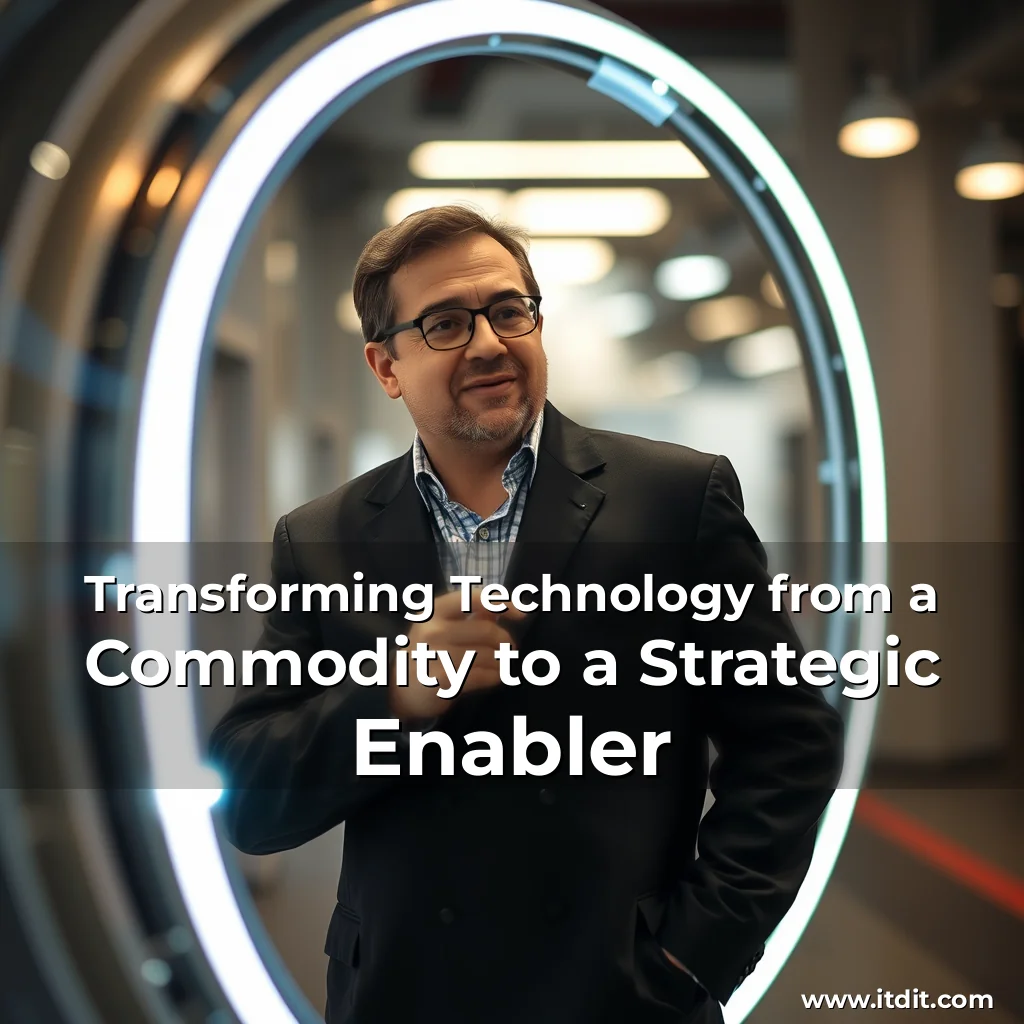
Many organizations view technology as a necessary evil, a cost to be minimized rather than a strategic enabler to drive growth, efficiency, and innovation. However, the key to differentiating their business is to shift the mindset from “technology as an expense” to “technology as a strategic enabler.”
Strategic Planning: Involving IT Leadership
One of the differentiators of organizations that value technology is reflected in their annual strategic planning sessions. Representatives from various departments, including operations, finance, sales, and other critical aspects of the business, come together to create a forward-looking strategic plan of 3-10 years. IT leadership is no longer an afterthought; instead, they are invited to the table to provide input and guidance.
- Alignment with business strategy is crucial, and IT must be involved in the planning process to ensure that the organization is prepared for future opportunities and challenges.
- Senior IT leadership involvement yields long-term value and provides competitive advantages, allowing organizations to stay ahead of the curve and adapt to changing market conditions.
Embracing Emerging Technologies
Progressive organizations are embracing emerging technologies such as AI and automation, cloud computing, data-driven decision-making, and security compliance. These technologies offer a competitive edge and provide opportunities for growth, efficiency, and innovation.
- AI is being integrated into line-of-business applications to optimize workflows and automate repetitive tasks, increasing staff productivity and improving communication.
- CLOUD computing provides 24/7 global availability of secured and patched applications, improving productivity and ensuring business continuity.
- Data-driven decision-making is made possible by investing in business intelligence tools and systems, promoting informed decision-making and predictive modeling to optimize operations and customer engagement.
- Security compliance is essential, with organizations investing in developing the requisite policies, security layers, and systems monitoring to comply with regulations such as SOC 2, ISO 27002, HIPAA, and GDPR.
Measuring IT’s Value
To shift the focus from technology as a cost to technology as a strategic enabler, organizations must measure IT’s impact on revenue, customer satisfaction, and efficiency. Developing key performance indicators (KPIs) helps monitor investment in IT and track its impact on the organization.
| IT Investment | KPIs |
|---|---|
| Revenue Growth | Customer Satisfaction |
| Efficiency Improvements | IT ROI (Return on Investment) |
Investing in Technology
Organizations must take a strategic approach to IT investments, aligning them with business goals. Rather than focusing solely on minimizing costs, they should invest in technology that supports business-driven outcomes.
- Investing in fractional or virtual CIO and CTOs provides access to high-level technical expertise at a lower cost.
- Businesses should prioritize technology that drives innovation, improves customer experience, and increases agility.
Conclusion
Organizations that view technology as an enabler rather than an expense gain a competitive edge, improve efficiency, and drive innovation. By shifting the mindset, involving IT leadership in strategic planning, embracing emerging technologies, measuring IT’s value, and investing in technology that supports business-driven outcomes, businesses can transform technology from a commodity to a strategic enabler.