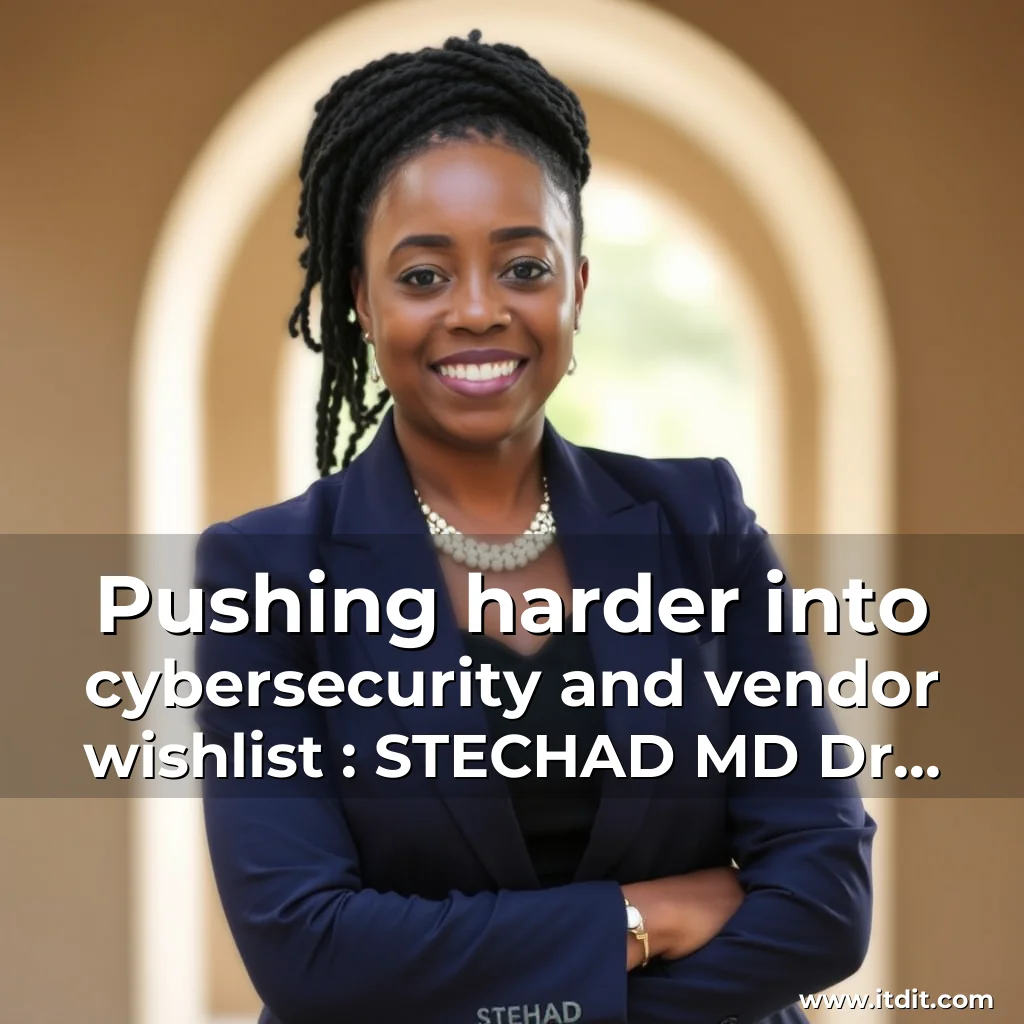
STECHAD is known for its ability to design, implement and manage IT systems, including cybersecurity solutions. They have developed a niche in providing IT services to the public sector and are working on a high-profile project for the Ministry of Defence. Stechad is looking to expand its capabilities and strengthen its skills in the area of cybersecurity by partnering with vendors who can provide specialized expertise and solutions. This move is strategic, as it will enable STECHAD to better serve its public sector clients and enhance its reputation as a reliable and skilled IT provider.
The company is led by Ms. Dagogo Ogunleye, a renowned expert in IT infrastructure and security. STECHAD’s mission is to empower girls and women in IT through education and training. The company operates in several countries, including Ghana, Cameroon, and Uganda. STECHAD also partners with local organizations to provide training and resources to girls in these countries. The company’s training programs focus on IT skills, such as programming, networking, and cybersecurity. STECHAD’s programs are designed to be flexible and accessible, allowing girls to learn at their own pace and in their own environment. This approach enables girls to balance their studies and other responsibilities while acquiring valuable IT skills. STECHAD also provides ongoing support and mentorship to its participants, helping them to overcome obstacles and achieve their goals. The company’s long-term goal is to create a pipeline of skilled IT professionals who can contribute to the development of their countries. Here is a detailed and comprehensive text based on the provided summary: Stechad, a company founded by renowned IT expert Ms. Dagogo Ogunleye, has set ambitious goals to empower girls and women in the technology sector across several African countries. One of the key objectives of STECHAD is to become a full-service IT outsourcing firm by 2025, a milestone that reflects the company’s commitment to expanding its reach and impact in the industry.
The Visionary Approach of Dagogo
Dagogo’s ambitious goal of partnering with at least 50 mid-sized businesses globally by 2026 is a testament to her visionary approach to business development.
STECHAD is seeking partnerships with vendors who can provide innovative solutions to address the growing demand for STECHAD’s products and services.
Types of Partnerships
STECHAD is looking for partnerships with vendors who can provide innovative solutions to address the growing demand for its products and services.
The third is focused on increasing the company’s online presence. The fourth point is about enhancing the company’s operational efficiency.
Expanding Service Offerings
The second point of Dagogo’s plan is to expand STECHAD’s service offerings. This involves identifying new services that can be added to the company’s portfolio and developing them in-house. By doing so, Dagogo aims to increase the company’s revenue and improve its competitiveness in the market. • Key benefits of expanding service offerings include:
Increasing Online Presence
The third point of Dagogo’s plan is to increase STECHAD’s online presence. This involves developing a stronger digital marketing strategy and improving the company’s website and social media presence.
Creating a Culture of Inclusion
STECHAD is committed to fostering an inclusive environment, says Dagogo. This commitment is reflected in the organization’s policies and practices, which prioritize the well-being and dignity of all individuals.
Strategies for Fostering Inclusion
STECHAD employs various strategies to foster an inclusive environment. These strategies include:
The Role of Leadership
Leaders play a critical role in fostering an inclusive environment.
The Challenge of Scaling IT
Scaling IT while maintaining quality is a significant challenge many businesses face. IT is often viewed as an afterthought, a necessary evil that must be managed, but not necessarily a key driver of business success. This mindset can lead to a lack of investment in IT, inadequate infrastructure, and poor decision-making. • IT is often seen as a cost center, rather than a revenue generator. • IT is frequently viewed as a separate entity, rather than an integral part of the business.