China’s 5G Manufacturing Revolution
In the realm of high-end manufacturing, China has made significant strides in embracing the latest technological advancements. As of November 2022, the country boasts an impressive 400 plants powered by 5G wireless technologies.
This is expected to lead to a more efficient allocation of resources and a more competitive market.
The Rise of China’s E-commerce Industry
The Chinese e-commerce market has experienced rapid growth over the past decade, driven by increasing internet penetration and a growing middle class. The industry has seen significant investments from both domestic and foreign companies, leading to the emergence of new players and the expansion of existing ones.
Key Players and Market Trends
China’s Ambitious Plan for Next-Generation Information Technologies
China has announced a comprehensive plan to drive the widespread adoption of next-generation information technologies, with a focus on accelerating the development of smart factories in key industries. This ambitious initiative aims to propel China’s technological advancements and solidify its position as a global leader in the digital economy.
Key Objectives of the Plan
The plan has several key objectives, including:
Benefits of the Plan
The plan is expected to bring numerous benefits to China, including:
Implementation and Timeline
The plan is expected to be implemented over a period of several years, with key milestones and targets set for each year. The implementation will involve a range of stakeholders, including government agencies, private sector companies, and research institutions.
International Cooperation and Collaboration
The plan also emphasizes the importance of international cooperation and collaboration in the development of next-generation technologies.
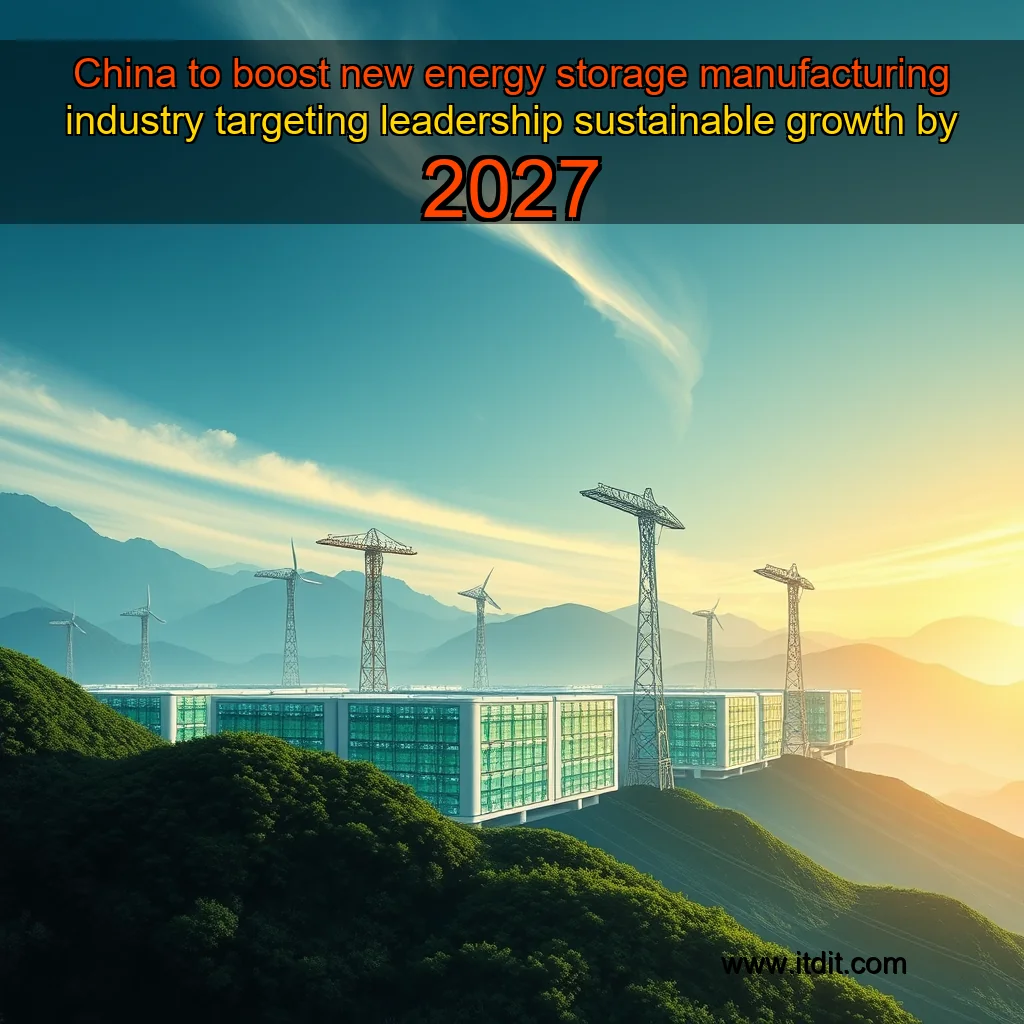
China ramps up domestic mineral exploration to reduce reliance on imports and boost new-energy storage industry.
China’s Lithium and Mineral Exploration Push
China’s government has announced plans to intensify support for the domestic exploration of lithium, cobalt, nickel, and other mineral resources. This move is aimed at reducing the country’s dependence on imported materials and promoting the development of new-energy storage products and technologies.
Key Objectives
Current State of Affairs
China’s current reliance on imported lithium, cobalt, and nickel has raised concerns about the sustainability of its new-energy storage industry.
The policies are aimed at promoting the development of the energy storage industry in China, with a focus on supporting the growth of new energy sources.
China’s Energy Storage Policy Landscape
National Level Policies
China has released 77 national-level energy storage policies in 2024, which cover a wide range of topics. Development plans: The national policies include development plans for energy storage, which outline the goals and objectives for the industry’s growth. New-energy storage integration: The policies also focus on integrating new energy sources into the energy storage system, which aims to promote the use of renewable energy sources. Electricity market regulation: The national policies regulate the electricity market, which includes the pricing of energy storage services and the management of energy storage assets.
8 GW, with a total investment of over 1.1 trillion RMB (approximately 160 billion USD). This represents a significant increase from the 2020 figure of 34.8 GW, showcasing the country’s rapid progress in the field of new-energy storage.
The Rise of New-Energy Storage in China
A Growing Industry
The growth of new-energy storage in China can be attributed to the country’s ambitious renewable energy targets. In 2020, China set a goal to generate 35% of its electricity from non-fossil fuels by 2030. To achieve this goal, the government has been actively promoting the development of new-energy storage technologies, such as lithium-ion batteries, flow batteries, and other advanced energy storage systems.
Key Drivers of Growth
Several factors have contributed to the rapid growth of new-energy storage in China: