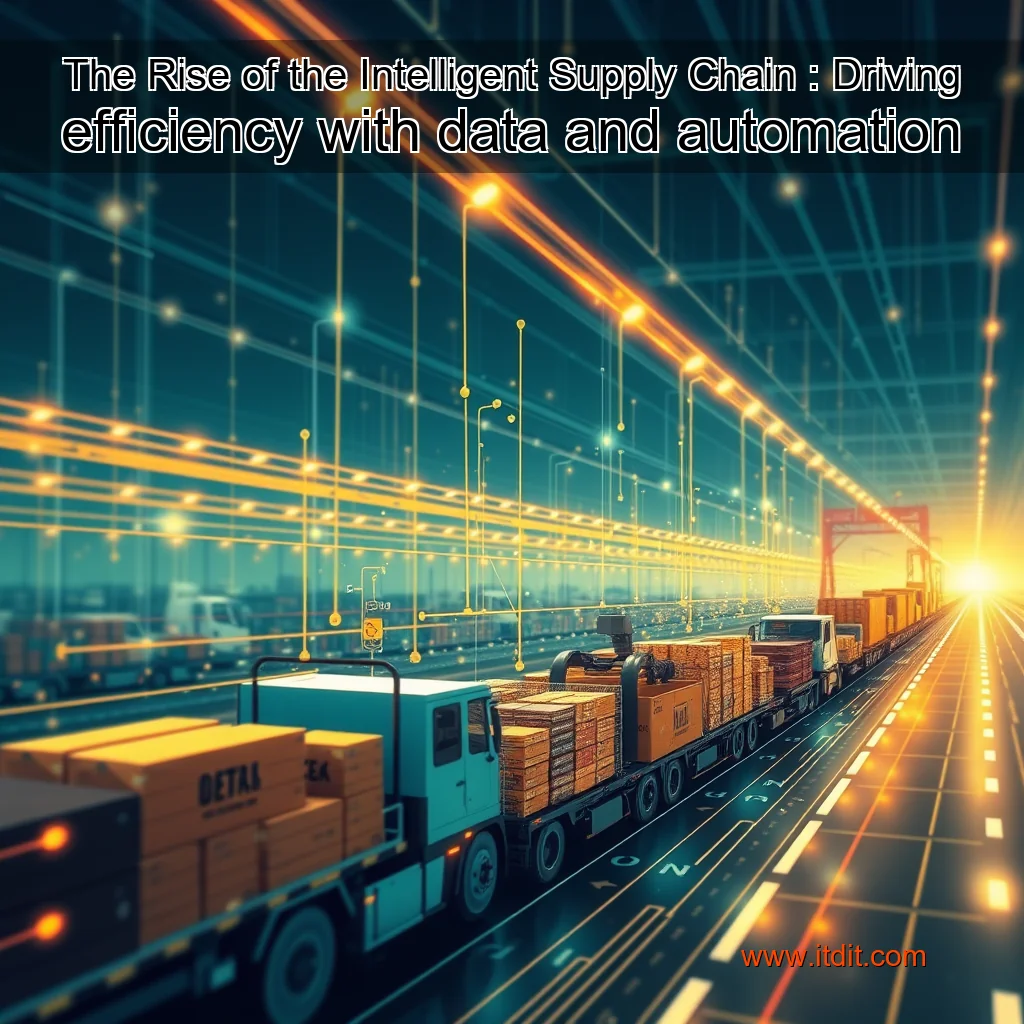
The use of these systems is increasing rapidly, driven by the need for efficiency, cost savings, and improved customer satisfaction.
The Rise of Supply Chain Management Systems
The demand for software that can automate routine tasks, provide real-time inventory visibility, and facilitate seamless communication is on the rise. This is driven by the need for efficiency, cost savings, and improved customer satisfaction.
The Rise of Supply Chain Technology
The supply chain landscape is undergoing a significant transformation, driven by the need for increased efficiency, reduced costs, and improved customer satisfaction. As companies continue to navigate the complexities of global trade, they are turning to technology to streamline their operations and stay ahead of the competition.
The Role of Supply Chain Technology
Supply chain technology encompasses a broad range of solutions, including:
Drivers Behind Supply Chain Technology Investments
The drivers behind these investments vary by specific application. For example:
Introduction
The year 2024 marked a significant turning point in the adoption of Artificial Intelligence (AI) and General Artificial Intelligence (Gen AI) in Supply Chain Management (SCM). The integration of these technologies has been gaining momentum, and their impact is being felt across various industries. In this article, we will delve into the world of AI and Gen AI in SCM, exploring their applications, benefits, and challenges.
What is SCM? Before diving into the world of AI and Gen AI, it’s essential to understand what SCM entails. Supply Chain Management refers to the coordination and management of activities involved in sourcing, producing, and delivering products or services to customers. SCM involves multiple stakeholders, including suppliers, manufacturers, logistics providers, and customers. ### Key Components of SCM
Control towers are essentially a centralized hub that brings together data from various sources, providing a unified view of the organization and its operations. Here are some key points to consider when implementing a control tower:
Key Considerations for Implementing a Control Tower
The Complexity of Integration
The integration of disparate systems is a complex process that requires careful planning, coordination, and execution. It involves bringing together multiple systems, each with its own unique characteristics, requirements, and constraints, to create a cohesive and seamless experience for the end-user. Key challenges in integration include: + Coordinating the different systems and their stakeholders + Ensuring data consistency and accuracy + Addressing security and compliance requirements + Managing the complexity of the integrated system + Ensuring scalability and flexibility
The Role of Technology Infrastructure
A robust technology infrastructure is essential for supporting the integration of disparate systems. This includes:
The Importance of Data Acquisition
Data acquisition is a critical component of the integration process.
The Rise of LMS and SCM
In recent years, the use of Learning Management Systems (LMS) and Supply Chain Management (SCM) applications has seen a significant increase. This trend is driven by the need for companies to optimize their current workforces and improve their overall business performance.
Key Drivers of the Trend
The Role of LMS in Workforce Management
Learning Management Systems (LMS) play a critical role in workforce management. An LMS is a software application that enables companies to manage and deliver training programs to their employees. By using an LMS, companies can:
The Importance of Labor Management Systems
Labor management systems are a crucial component of any organization, particularly in the manufacturing and logistics sectors. These systems enable companies to optimize their workforce, streamline processes, and improve overall efficiency. In today’s fast-paced business environment, labor management systems play a vital role in helping companies stay competitive and adapt to changing market conditions.
Key Benefits of Labor Management Systems
The Growing Concern of Cybersecurity
Cybersecurity is a major concern for modern supply chain operators, with the increasing use of technology and the internet of things (IoT) creating new vulnerabilities.
The Importance of Visibility in Cybersecurity
Visibility is a critical component of cybersecurity, and its importance cannot be overstated. In today’s digital landscape, where threats are constantly evolving and becoming more sophisticated, having a clear understanding of what’s happening within an organization’s network is essential for effective security.
The Challenges of Achieving Visibility
Achieving visibility in cybersecurity is a complex task, and several challenges must be addressed. These include:
The Role of Collaboration and Data Sharing
To overcome the challenges of achieving visibility, collaboration and data sharing are crucial. This can involve:
“It’s a competitive market, and you have to be willing to invest in R&D to stay ahead of the competition.”
The Rise of SCM Software Providers
The Supply Chain Management (SCM) software market has experienced significant growth in recent years, driven by the increasing demand for efficient and effective supply chain management systems. As a result, SCM software providers are under pressure to innovate and differentiate themselves from their competitors.
Key Trends in SCM Software
The Competitive Landscape
The SCM software market is highly competitive, with numerous providers vying for market share. To stay ahead of the competition, SCM software providers must invest in research and development (R&D) to create innovative solutions that meet the evolving needs of their customers.
Key Players in the SCM Software Market
Enhancing Efficiency and Productivity with AI-Powered Automation.
Key Benefits of Operator Workbench
The Operator Workbench is designed to enhance the efficiency and productivity of operators on the production floor. By leveraging Gen AI, this platform aims to automate routine tasks, reduce errors, and increase overall job satisfaction. Automated Task Completion: Operator Workbench uses AI to analyze tasks and provide step-by-step instructions, allowing operators to complete tasks more efficiently. Error Reduction: The platform’s AI-powered tools help identify potential errors and provide real-time feedback, reducing the likelihood of human error. * Improved Job Satisfaction: By automating routine tasks and providing personalized support, Operator Workbench helps operators feel more engaged and motivated.**
Real-World Applications
The Operator Workbench has the potential to transform various industries, including manufacturing, logistics, and healthcare. Here are some examples of how this technology can be applied:
Instead, they are focusing on providing a customized set of applications that meet the specific needs of each client. This shift is driven by the Supply Chain Visibility (SCV) trend, which emphasizes the importance of real-time visibility into the entire supply chain.
The Rise of Supply Chain Visibility
The Supply Chain Visibility (SCV) trend is transforming the way companies approach supply chain management. At its core, SCV is about gaining real-time visibility into every stage of the supply chain, from raw materials to end products. This visibility enables companies to make data-driven decisions, optimize their supply chain operations, and improve overall efficiency. Key benefits of SCV include:
The Shift to Customized Applications
SCM providers are responding to the SCV trend by shifting their focus from offering a uniform, integrated set of applications to providing customized solutions that meet the specific needs of each client.