The Problem of Abusive Telemarketing
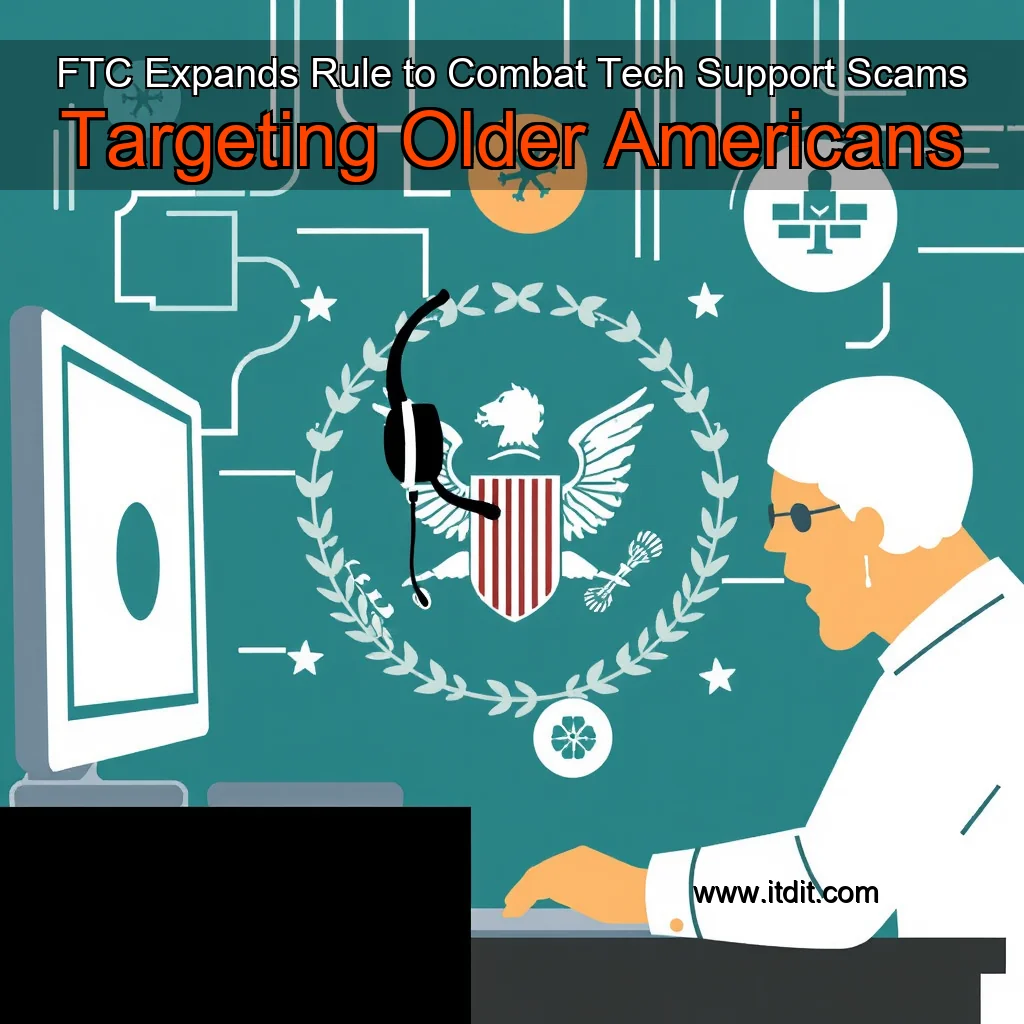
Abusive telemarketing practices have been a persistent issue in the US for decades. Scammers use various tactics to deceive consumers, including fake tech support hotlines, to gain access to sensitive information or to extract money from unsuspecting victims. The FTC has been working to combat these practices, and the new rule is a significant step forward in this effort. The new rule will apply to all telemarketing calls, including those made by companies and individuals, and will prohibit the use of fake tech support hotlines. The rule will also prohibit the use of high-pressure sales tactics, such as those that create a sense of urgency or threaten to cancel a customer’s service if they do not act immediately. The rule will also require telemarketers to provide clear and conspicuous disclosure of the identity of the company making the call and the purpose of the call.
The Impact of the New Rule
The new rule is expected to have a significant impact on the telemarketing industry. By prohibiting the use of fake tech support hotlines and high-pressure sales tactics, the rule will help to protect consumers from scams and deceptive practices. The rule will also provide a clear framework for telemarketers to follow, making it easier for consumers to identify and report abusive calls. The rule will also help to reduce the number of complaints filed with the FTC, which will in turn reduce the burden on the agency and allow it to focus on more serious cases.*
The Future of Telemarketing
The new rule is a significant step forward in the fight against abusive telemarketing practices.
The Rise of Tech Support Scams
Tech support scams have become a significant problem for older consumers, resulting in substantial financial losses. These scams often target vulnerable individuals who are unaware of the risks and are more likely to fall victim to these types of schemes. Common tactics used by scammers include: + Phishing emails or phone calls that claim to be from a legitimate company + Fake technical support services that promise to fix or upgrade devices + Demands for payment or personal financial information
The Dissenting Opinion: A Call to Action
The recent regulatory proceeding has sparked a heated debate, with some arguing that the Biden-Harris FTC should take on new rulemaking initiatives. However, one dissenting opinion takes a different stance, emphasizing the need for caution and restraint in the face of new rulemaking efforts.
A Cautionary Approach
The dissenting opinion argues that the time has passed for the Biden-Harris FTC to take on new rulemaking initiatives. This perspective suggests that the agency should focus on enforcing existing laws and regulations rather than introducing new ones. The reasoning behind this approach is multifaceted:
A Focus on Enforcement
The dissenting opinion emphasizes the importance of enforcement actions that are already mandated by law. This approach prioritizes the agency’s existing responsibilities and ensures that resources are focused on areas where the agency has a clear mandate. The benefits of this approach include: